Returning to The Wild: The Path Back to The Forest
A journey of recovery, resilience, and return --- where every release becomes a second chance for wildlife and the forest
4/8/20262 min read
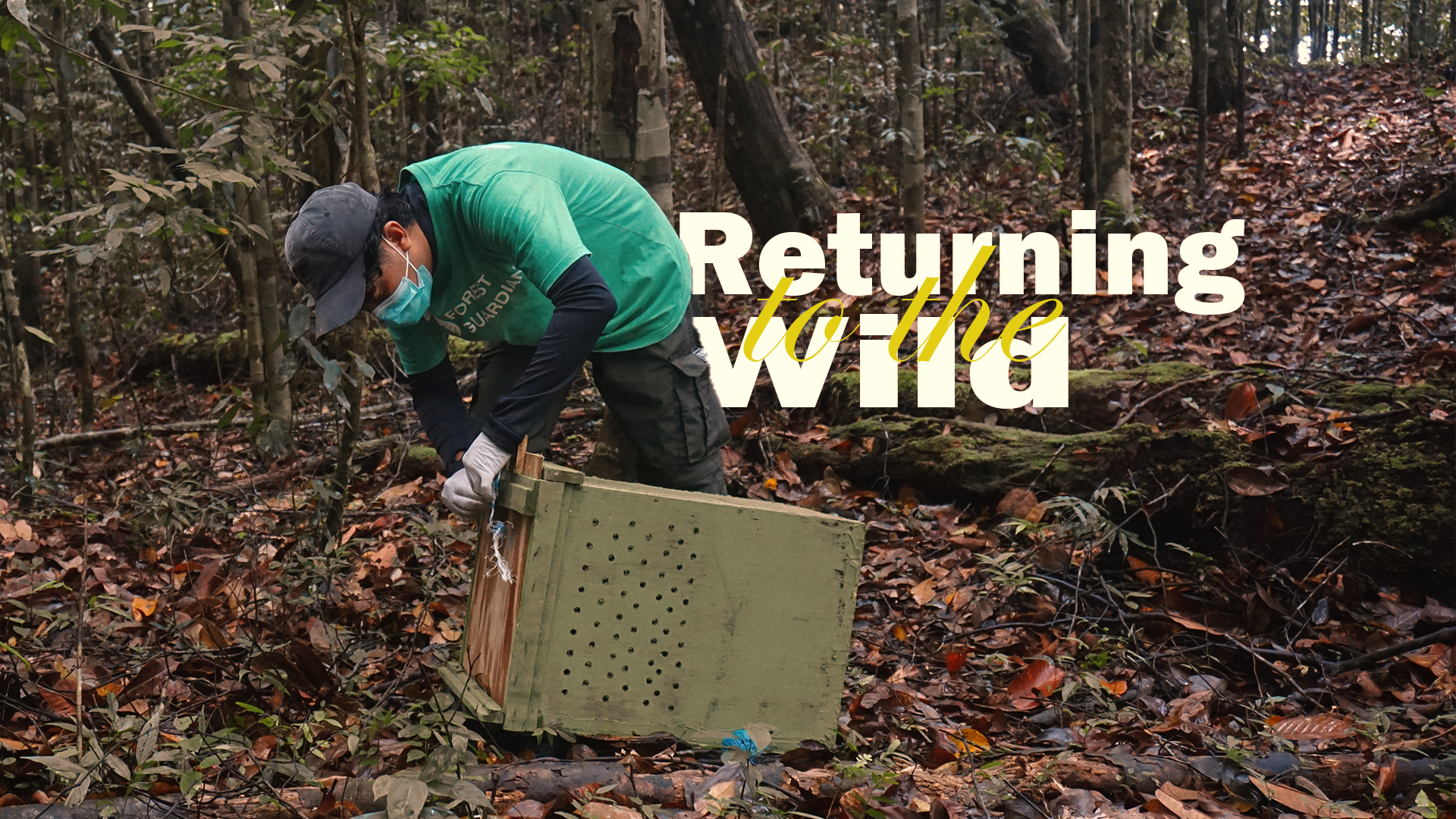
------- Behind every animal returned to the forest, an ecosystem begins to breath again -------
Across the tropical rainforests of Kalimantan, the release of rehabilitated wildlife marks a critical phase in the conservation cycle. For CAN Borneo, this moment is not merely a symbol of program success, but the outcome of a series of measured interventions designed to restore each animal’s ecological role in the wild
Most wildlife admitted to the Long Sam Wildlife Rescue Center (PPS Long Sam) at CAN Borneo originate from high-risk situations—including maternal loss, human-wildlife conflict, habitat degradation, and other life-threatening conditions. Under such circumstances, individuals often present with both physical impairments and behavioral disturbances. The rehabilitation program at PPS Long Sam is therefore designed to support comprehensive recovery. This includes medical treatment, physical conditioning, and the re-establishment of essential natural behaviors. Animals are gradually trained to forage independently, recognize potential threats, and adapt to forest environments—critical competencies required for survival in the wild
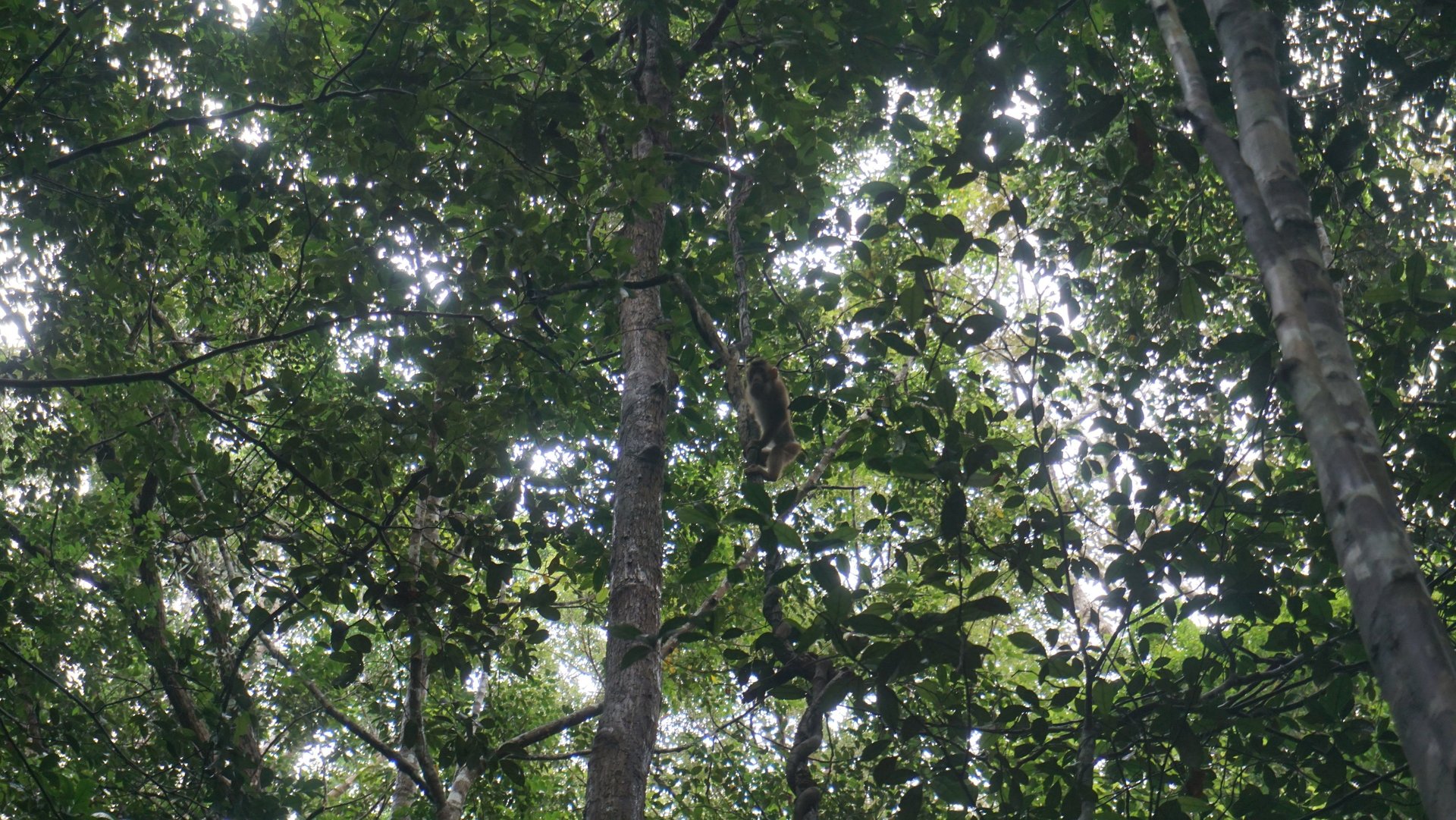
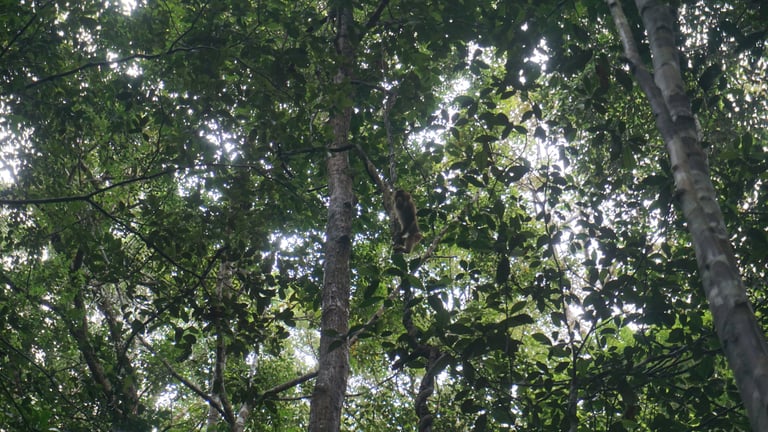
The release process is conducted through a rigorous, science-based selection framework supported by measurable indicators. Each individual is assessed not only for physical condition, but also for behavioral readiness and the instinctive capacity to survive independently in the wild. The veterinary team ensures that every animal is in optimal health, free from infectious diseases, and possesses adequate motor function prior to release. Release sites are selected through comprehensive ecological assessments, taking into account food availability, population density, and minimal levels of human disturbance. This approach is designed to maximize post-release survival and support successful adaptation in the natural habitat.
The release process involves close coordination among trained teams and key stakeholders—including conservation authorities and field partners. Each stage is carried out under well-documented procedures to ensure accountability and compliance with established conservation standards. As a result, every release decision is grounded in clear, evidence-based considerations and can be fully justified
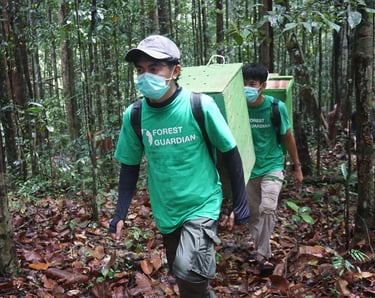
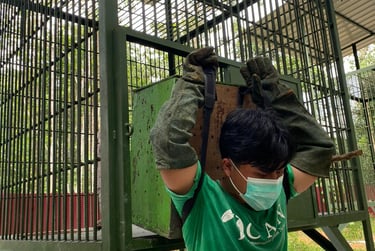
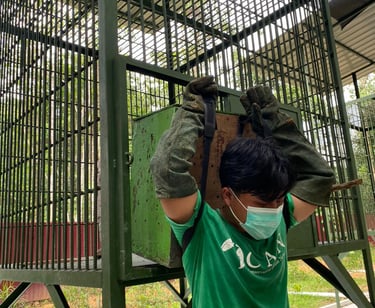
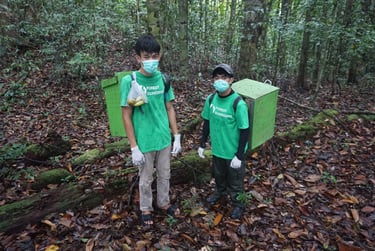
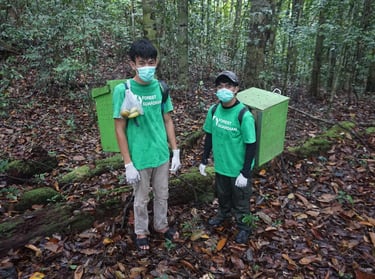
However, beyond a systematic, data-driven approach, each release carries a deeper, more emotional dimension—a symbol of hope. Every animal that steps back into the forest represents a second chance, not only for the individual, but also for the ecosystem it helps restore. For the CAN Borneo team, this moment extends beyond operational success. It is a point of reflection on the journey undertaken together with each individual—from vulnerability to renewed independence in the wild.
Ultimately, release is not the end of the process, but part of an ongoing conservation cycle. It connects rescue efforts with long-term ecosystem sustainability, while serving as a reminder that hope always has a place—even in the face of the greatest challenges.